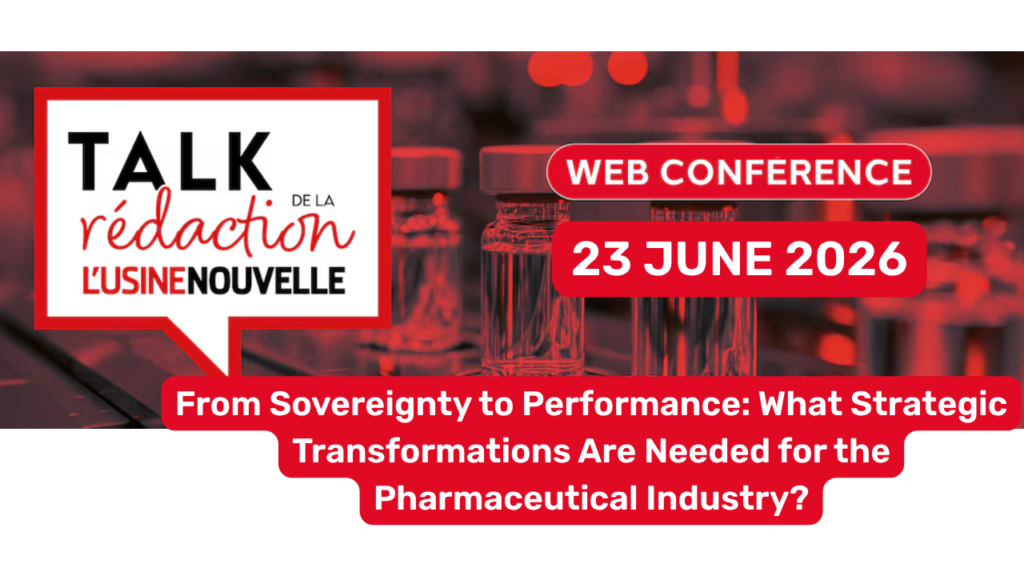
Maeva Croué was invited to appear on the set of Talk de la Rédaction by L’Usine Nouvelle for an interview focusing on the pharmaceutical industry. The discussion explored a key question shaping the sector today: “From sovereignty to performance: what strategic transformations are needed for the pharmaceutical industry?”
The full replay of the interview can be found at the end of the article.
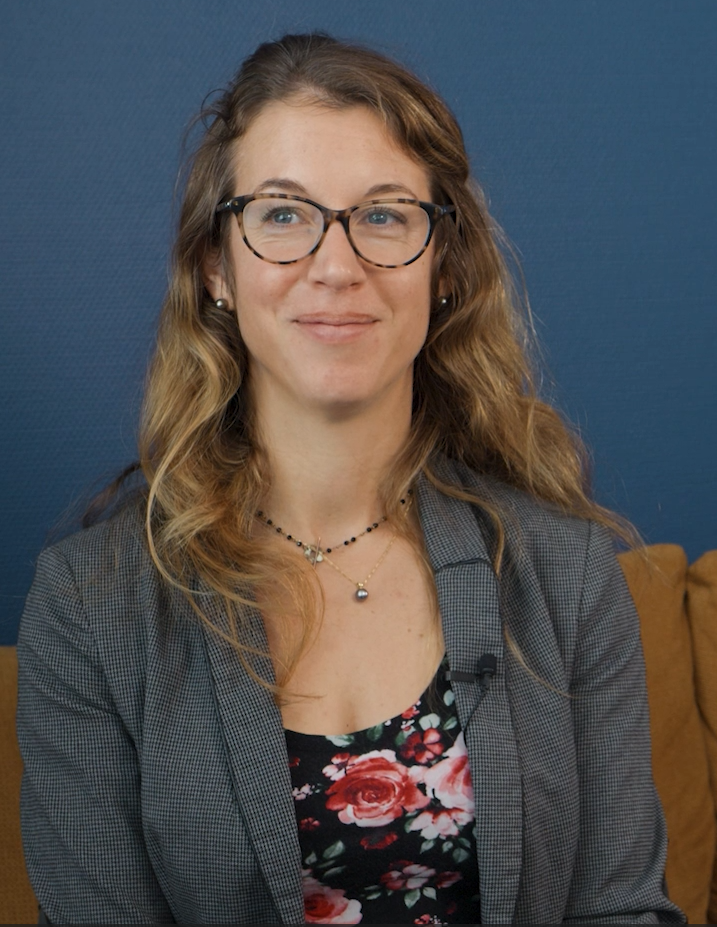
Meet the Expert: Maeva Croué
Maeva is the Product Manager at Lactalis Ingredients Pharma. With extensive expertise in pharmaceutical excipients and product development, she plays a key role in ensuring the quality, reliability, and innovation of Lactalis’ pharmaceutical lactose solutions.
The various crises we have faced in recent years—whether geopolitical, economic, health-related, or even climate-related—have revealed certain weaknesses in our systems, both in the public and industrial sectors. Crises tend to crystallize and exacerbate dysfunctions that are often already known beforehand. This is, for example, the case of our healthcare system and access to care in France, which came under significant criticism during the COVID period, even though it had already been challenged for several decades due to its difficulties in providing timely patient care: from initial consultation with healthcare practitioners, to access to appropriate facilities, and ultimately to access to treatment and medications.
Today, faced once again with yet another heatwave episode, we are once again compelled to approach the future with resilience, as we do every time we are confronted with a crisis, whatever its nature.
I would therefore like to approach this interview from three angles, each representing a key link in ensuring the continuity of the medicine supply chain:
- Availability and quality of the raw materials required for excipient production
- Consistency, homogeneity, and regularity of excipient quality
- Sovereignty and sustainability as a commitment for the future: choosing an excipient supplier today also means ensuring they are engaged in a long-term, sustainable approach
We often hear about health sovereignty and drug shortages. How are excipients, such as lactose, part of this supply chain?
The question of securing the entire supply chain is entirely legitimate. Access to healthcare also means access to medicines, whether they belong to APIs (Active Pharmaceutical Ingredients) or other pharmaceutical categories.
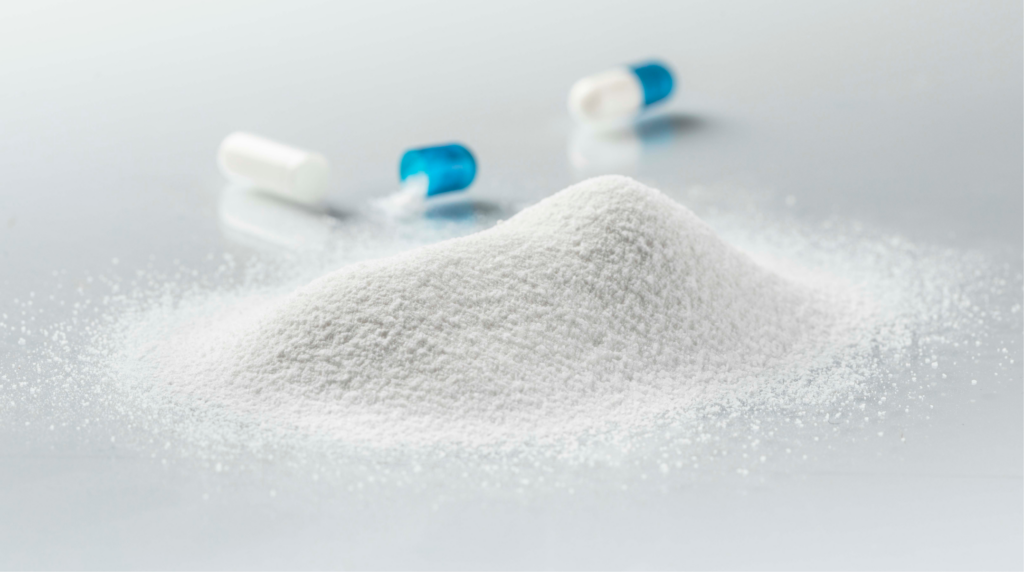
Today, we know that more than 80% of active ingredients still depend on China and India, where they are manufactured. However, excipients are also an integral part of drug formulations. They occupy a significant place in medicines, both in terms of their interaction with the active ingredient and their functional role within the drug itself. A medicine can contain up to seven excipients, each serving a specific purpose (protecting the active ingredient until it reaches its absorption site, acting as a filler or diluent—as in the case of lactose—or playing technological roles during the manufacturing process).
Thus, securing the supply of excipients remains a real challenge: the more diverse the excipient formulation, the greater the sourcing requirements, and therefore the higher the risk of supply disruption.
Lactalis is the world leader in dairy products, but less expected in the pharmaceutical field, particularly excipients. How did this bridge between cheese production and medicine manufacturing come about?
As the world’s leading dairy and cheese group, we benefit from a substantial internal resource of whey. It is important to note that one kilogram of cooked pressed cheese can generate up to 9 liters of liquid whey. Whey is the essential raw material for lactose production. We have been producing lactose for over 60 years. In 2023, we decided to also produce pharmaceutical-grade lactose—it was a natural next step. Lactose is a key excipient in the pharmaceutical industry: used for more than 100 years, it is estimated to still be present in nearly 60% of solid oral dosage forms.
In the pharmaceutical industry, safety requirements are extremely strict. How do you ensure the quality and safety of your supply chain from your Retiers site?
Our Retiers site, which produces pharmaceutical-grade lactose, is located in the heart of Brittany, a historic dairy collection area and close to major Lactalis cheese plants. This gives us access to a steady, internally sourced supply of whey, meaning we have full control over its quality. The first lever for securing the supply chain is therefore the robustness and control of our own chain, from incoming raw materials to their processing.
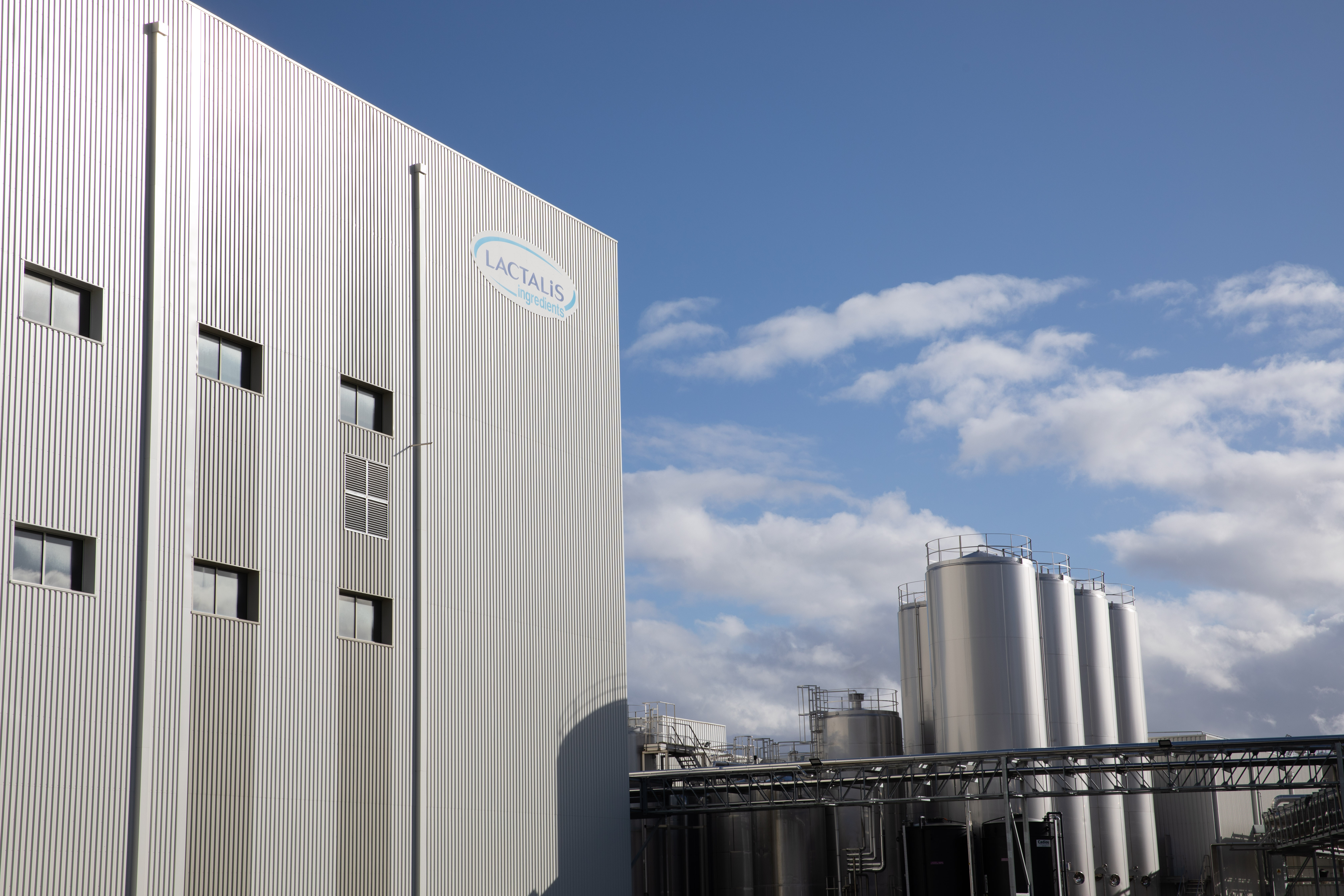
Beyond the regularity and quality of raw material supply, consistency in excipient quality must also be ensured. Quality is, of course, based on compliance with current pharmacopoeias, which guarantee that the intrinsic characteristics of the excipient meet pharmaceutical requirements (purity, physicochemical and microbiological composition). Manufacturing plants also adhere to GMP (Good Manufacturing Practices), ensuring controlled, documented, and secure production processes.
To guarantee consistent quality over time, it is also essential to manage risks throughout the production chain. Any change—since change inherently carries risk—must be rigorously assessed, justified, tracked, and documented.
The production of pharmaceutical lactose is known to be water-intensive, which raises concerns in the context of climate challenges. How do you address this issue?
Securing the supply chain—closely linked to the notion of health sovereignty—must be approached with a long-term perspective. This requires considering companies’ ability to sustain their activities. How resilient are they to change and future challenges? Choosing an excipient supplier today also means ensuring they are committed to a sustainable, long-term strategy.
Climate challenges are a key aspect: rising temperatures and water scarcity are issues the pharmaceutical industry must already address if we want to continue producing excipients in the future.
By nature, pharmaceutical lactose production is highly water-intensive. For example, producing 10,000 tonnes of lactose requires a volume of water equivalent to 20 Olympic-sized swimming pools. At the product level, this represents between 5 and 7 liters of water per kilogram of lactose produced.
Water is both our challenge and a real opportunity. Why? Because when we move from a liquid solution (milk) to a solid form (powder), we evaporate up to 90% of the water. And what could be better than recovering that water for reuse in our processes? Our objective is to minimize water withdrawal from natural resources as much as possible.

In practical terms, what solutions have you implemented to reduce water withdrawal and embed your activity in a more sustainable approach?
To reduce water usage, we leverage three main approaches at our Retiers site:
- Optimizing production processes to reduce water needs at the source.
- Reusing process water: another key approach is to recover water from industrial processes, such as that from evaporators and membrane concentrators. This water can then be reused for:
- Rinsing lactose crystals
- Cleaning membranes
- Supplying certain internal processes
- These waters, commonly referred to as ECML (water from milk concentration processes), represent a major resource for Lactalis Ingredients.
- Recycling water after wastewater treatment (WWTP): this first involves controlling the quality of water entering the treatment plant to minimize processing needs, and then ensuring that the treated water can be reused—not in the process itself, but, for example, as done at Retiers during summer, to cool cooling towers.
Corporate Social Responsibility (CSR) encourages us to innovate differently and to embed our company in a sustainable, responsible, and resilient approach.
Below you will find the the video of the interview and its transcript;
Maeva CROUE
CSR Coordinator for Lactalis Ingredients Pharma